


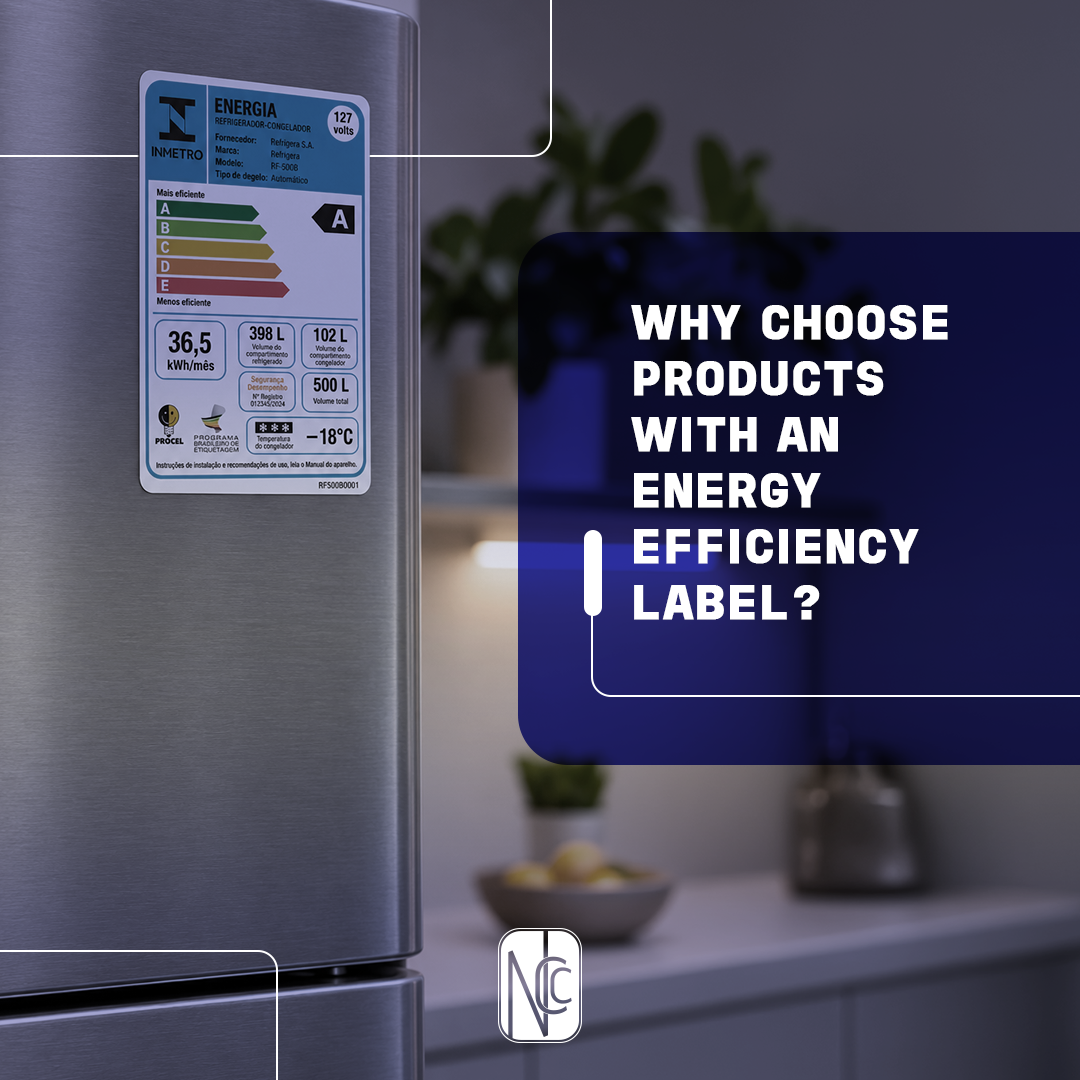
Products with an energy efficiency label use less energy without compromising performance. In practice, this lowers your energy bills over time.
But here's the key point: efficiency criteria vary by product category. A microwave oven, a water dispenser and a public streetlight are each subject to different efficiency rules, set out in specific Inmetro ordinances. Some relevant examples include:
- INMETRO Ordinance No. 497/2021: Microwave ovens
- INMETRO Ordinance No. 102/2022: Electric water dispensers
- INMETRO Ordinance No. 269/2021: Gas water heaters
- INMETRO Ordinance No. 62/2022: LED lamps
- INMETRO Ordinance No. 20/2017 (and updates): LED public/street lighting fixtures
- (among others, depending on the product's scope and application)
Each regulation sets minimum energy performance limits through indicators such as the Energy Efficiency Index (EEI) or specific metrics (kWh/month, lm/W, thermal efficiency, among others).
More efficient equipment may require a higher upfront investment, but the financial return tends to become noticeable over its operating life, especially as energy costs keep rising.
Contributing to a sustainable future, with trust you can count on
Choosing efficient products directly supports sustainability. Lower energy consumption means less demand for power generation, fewer greenhouse gas emissions and a more responsible use of natural resources. Small individual decisions add up to a significant collective impact, and the ordinances ensure that this impact is real, not just marketing.
The energy efficiency label is more than a visual. It is the result of a rigorous process of evaluation, testing and certification, as required by the ordinance that applies to each product. To receive its rating, a product goes through tests that assess energy consumption (measured using the ordinance's methodology), technical performance, safety and compliance with national and international regulatory standards. This rigor is essential to prevent misleading information, ensure fair competition among manufacturers and protect the end consumer.
The technical journey: testing and certification
Testing is carried out in controlled environments and assesses how the product actually performs under different conditions of use. The tests follow specific protocols defined in each ordinance, which confirms that the equipment meets the efficiency requirements. Based on the results, the certification body carries out the conformity assessment. Only products that prove their performance receive the label, which gives consumers credibility and confidence.
When you choose products with an energy efficiency label, you're making a decision that brings together savings, performance and environmental responsibility. More importantly, you're choosing products that actually meet strict, specific criteria.
For manufacturers, investing in efficiency and in certification under the applicable ordinances is a competitive advantage. Certified products stand out in the market, meet regulatory requirements and secure ongoing access to retail shelves.